
Introduction – Why Renovation Mistakes Are Costlier in Dubai
Renovating your kitchen or bathroom in Dubai can be one of the smartest ways to increase your home’s value, improve functionality, and refresh its overall appeal. But in a city where property regulations are strict and construction costs are high, even small renovation mistakes can lead to hefty fines, project delays, or wasted investments.
From misunderstanding the NOC and permit process to choosing the wrong layout or materials, homeowners often underestimate how easy it is to make expensive errors. This blog outlines the most common kitchen and bathroom renovation mistakes specific to Dubai—and how to avoid them. Whether you’re upgrading a villa in Arabian Ranches or remodeling an apartment in Marina, this guide will help you plan smarter and avoid costly setbacks.
Common Planning Mistakes Before Renovation Starts
Planning is the most critical phase in any renovation project—but it’s also where most people go wrong. In Dubai, planning doesn’t just mean picking tiles or cabinets—it involves aligning with building rules, legal approvals, budgeting smartly, and hiring qualified professionals.
Underestimating Permit and Approval Timelines
One of the most overlooked mistakes in Dubai renovations is assuming you can begin work right away. However, you’ll likely need:
- NOC (No Objection Certificate) from your building’s management or developer
- Approval from Dubai Municipality for structural changes or layout modifications
- Possibly Civil Defense approvals if plumbing or electrical systems are involved
These can take anywhere from 7 to 20 working days depending on the scope of work and responsiveness of your building management. Starting work without these approvals can result in legal action, fines, and even project halts.
✅ Tip: Always schedule 2–3 weeks of buffer time just for documentation and approvals.
🔗 We’ve covered this in detail in our blog: Renovation Permits and NOCs in Dubai: What You Need Before Starting
Hiring Unqualified or Non-Certified Contractors
Many residents in Dubai fall into the trap of hiring the cheapest contractor they find on classified sites or through word-of-mouth—without checking for licenses, credentials, or track records.
Here’s why that’s risky:
- Non-certified contractors may not follow Dubai Municipality standards
- You may face delays due to failed inspections or rework
- In some cases, your building management may blacklist the contractor and halt work entirely
To ensure a stress-free renovation, always choose contractors who are:
- DCD-certified (Dubai Civil Defence) if fire or electrical systems are involved
- Registered with Dubai Municipality
- Willing to assist in documentation and permits
⚠️ Warning Sign: If the contractor asks to skip the NOC process to “start early,” that’s a red flag
🔗 Coming soon: How to Choose the Right Renovation Contractor in Dubai
Not Setting a Realistic Budget
Budgeting mistakes are one of the biggest causes of frustration and stalled renovations—especially in Dubai where material and labor costs fluctuate based on quality, origin, and availability.
Ignoring Hidden or Variable Costs
Most homeowners only budget for visible items like cabinetry, tiles, or fixtures. But real renovation costs also include:
- Permit and NOC application fees
- Material delivery charges, especially for imported fittings
- Waste removal or disposal costs, which some buildings require
- Temporary relocation or accommodation during the renovation
- Change orders, which are inevitable if plans shift mid-way
💡 Pro Tip: Always keep a 15–20% buffer in your renovation budget to accommodate unexpected changes or delays.
Going Cheap on Critical Elements
It’s tempting to save money by choosing the lowest quote or cheaper materials—but it often leads to:
- Faster wear and tear (especially with plumbing fixtures)
- Costly repairs in a few months
- Failed inspections or rework if the materials don’t meet standards
🔗 Want to know which upgrades actually offer long-term savings? Read our blog on Why Kitchen and Bathroom Renovation Is a Smart Investment in Dubai
Design & Layout Errors That Reduce Functionality
In Dubai’s high-end properties, a renovation isn’t just about aesthetics—it’s about space optimization, climate adaptability, and long-term functionality. Yet design mistakes are still common, especially when plans are rushed or copied blindly from Pinterest.
Overlooking Practical Needs in Favor of Trends
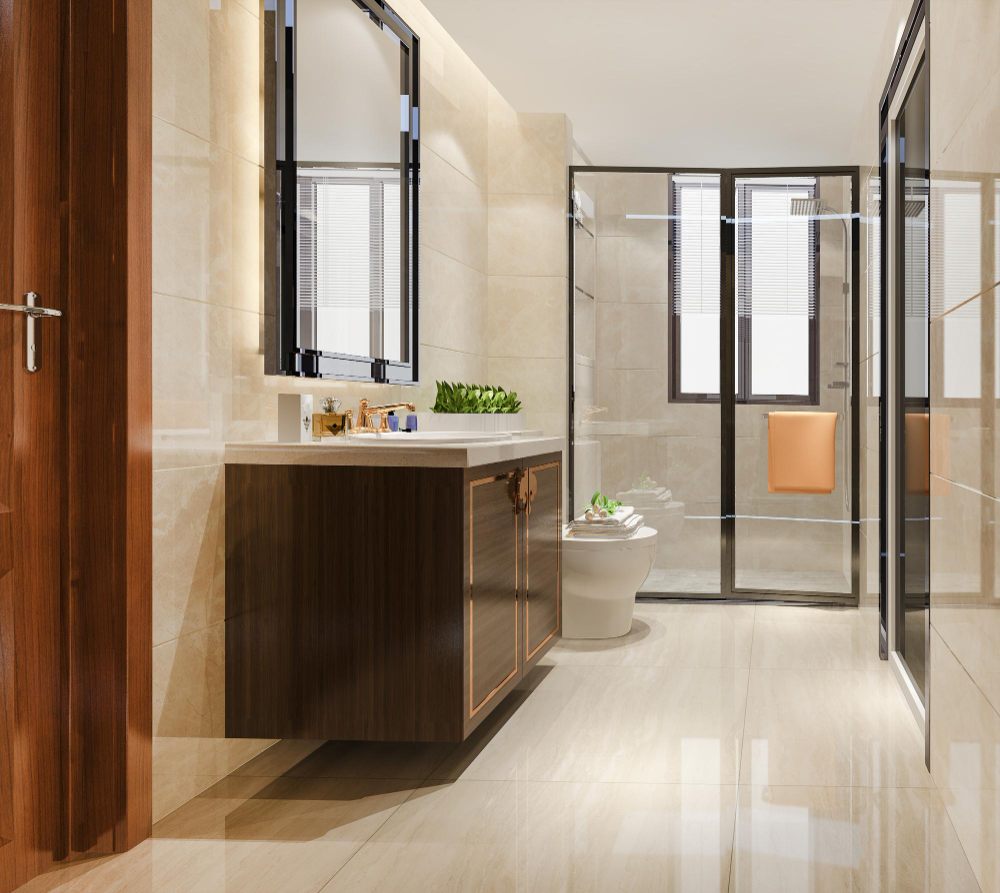
Design trends like open shelving, minimalist sinks, or floating vanities may look good—but might not be practical for a family home in Dubai where:
- Humidity causes wood warping if not properly ventilated
- Hard water creates residue build-up on trendy black fixtures
- Storage needs are higher in apartments with limited space
Always balance aesthetics with function. For instance:
- Use PU-coated cabinets that resist moisture instead of plain MDF
- Go for semi-frameless glass that’s easy to clean and doesn’t fog up
- Choose tiles with anti-slip coating, especially in bathrooms used by kids or seniors
Poor Layout Planning
You’d be surprised how many renovations reduce usability:
- Cabinets that block doors
- Toilets placed awkwardly near entry points
- Kitchens without work triangles (distance between sink, stove, and fridge)
✅ Expert Tip: Use a 3D layout visualizer or work with a designer who understands space planning for UAE villas and apartments.
🔗 We’ll cover this in detail in our upcoming blog: Best Layout Practices for Small Bathrooms in Dubai
Choosing the Wrong Materials for Dubai’s Climate
Dubai’s climate is hot, humid, and dusty—which means not all globally popular materials will perform well in the long run. Choosing unsuitable finishes or surfaces is one of the most expensive renovation mistakes homeowners make.
Humidity & Heat Can Damage Common Finishes
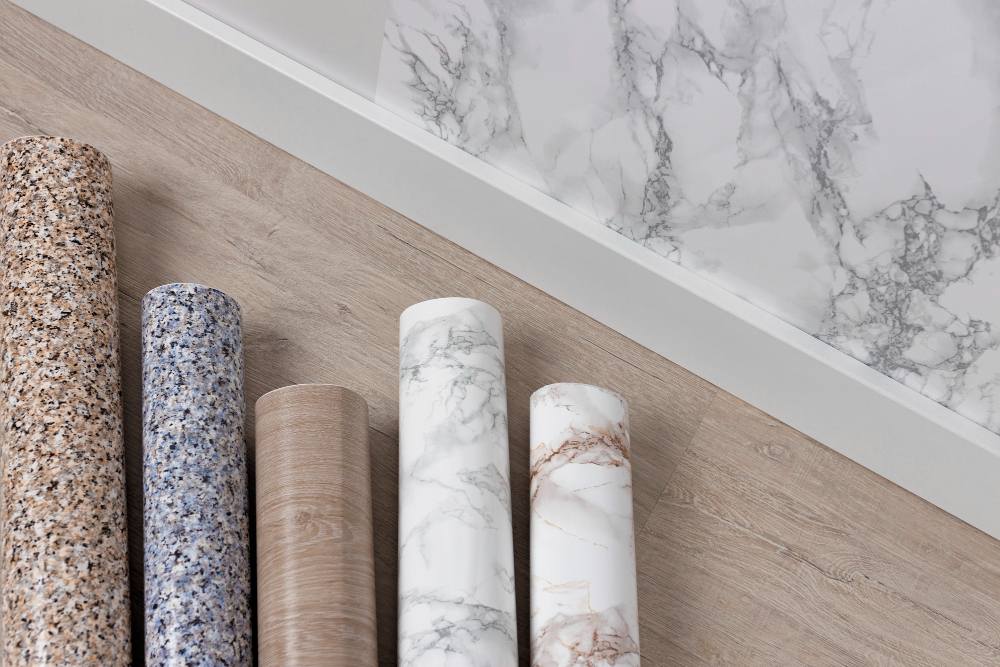
Imported MDF, untreated woods, or porous natural stones often look great in catalogs but warp, expand, or crack over time in UAE conditions.
Avoid using:
- Regular MDF or particle board in cabinets (prone to swelling)
- Matte or porous countertops in kitchens (stain easily and hard to clean)
- Chrome or black-coated fixtures without UV protection (may peel or fade)
Instead, opt for:
- High-pressure laminate or PU-coated cabinets that resist moisture
- Quartz or granite countertops for durability and heat resistance
- Brushed nickel or stainless steel fixtures for long-term shine
🛠 Tip: Always ask for the IP rating (Ingress Protection) of fixtures and appliances. Dubai’s humidity requires materials rated for moisture and dust.
🔗 External Resource:
IEC Standards Guide: Understanding IP Ratings for Moisture and Dust Protection
This official IEC guide explains IP ratings in detail, helping you choose materials and fixtures best suited for Dubai’s humid and sandy climate.
Ignoring Permit or Building Approval Requirements
Many homeowners in Dubai assume small renovations don’t need approvals. But even a bathroom tile replacement or a kitchen wall knock-down may require a No Objection Certificate (NOC) or Dubai Municipality permit—especially in apartment buildings.
What Can Go Wrong Without Permits?
- Building management halts the renovation midway
- Fines imposed by the developer or municipality
- Insurance becomes void for damage caused during illegal renovations
- Problems during property resale or transfer
Some buildings require:
- NOC from the developer (like Emaar, Nakheel, or Damac)
- Dubai Municipality permit, especially for structural changes
- Licensed contractor details, and sometimes architectural drawings
🔗 External Resource:
Dubai Municipality: Building Permit Services Overview
Check the latest official procedures, required documents, and timelines for renovation-related approvals in Dubai.
Not Planning for the Future (Aging, Resale, Technology)
A kitchen or bathroom renovation is more than just a short-term upgrade—it’s a long-term investment. Failing to plan for future needs, resale value, or technology upgrades often leads to regret and costly rework.
Future-Proofing Means Thinking Ahead
Whether you’re living in the home or renting it out, consider:
- Aging in place: Install grab bars, level flooring, and wider entrances while you renovate. It’s far more cost-effective than retrofitting later.
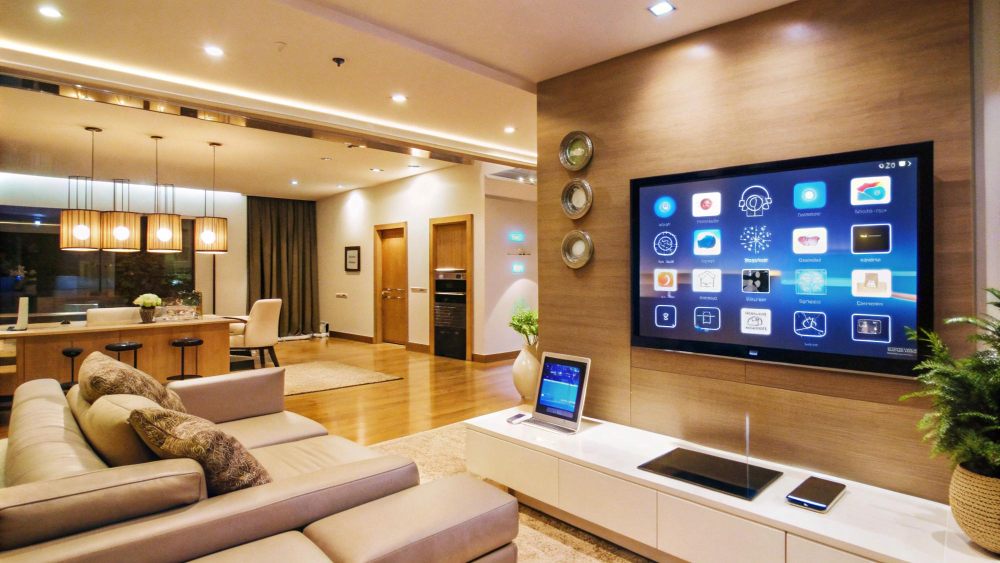
- Tech-readiness: Consider smart faucets, lighting, or concealed wiring for future automation systems—even if you don’t install them immediately.
- Resale flexibility: Over-personalized color schemes or layouts can turn off buyers. Choose neutral tones and modular layouts that appeal to broader tastes.
Examples of Poor Long-Term Planning
| Mistake | Consequence |
|---|---|
| No provision for dishwasher or larger fridge | Limits tenant/buyer options |
| No concealed piping or wiring | Difficult to add smart features later |
| Over-customized cabinetry | Hard to replace or refinish |
| No low-maintenance materials | Higher upkeep costs and faster aging |
🧠 Pro Tip: Ask your contractor to include optional conduits for future appliances or upgrades, even if you’re not using them today.
🔗 External Resource:
Consumer Reports: Smart Kitchen Appliance Buying Guide
Explore the growing range of smart kitchen upgrades—from faucets to lighting—that help future-proof your renovation.