1. Why Sustainable Wood Matters in Dubai’s Climate (Expert Overview)
Choosing sustainable wood for carpentry in Dubai is no longer just about environmental consciousness — it’s a practical decision that directly impacts durability, long-term maintenance, indoor air quality, and overall renovation cost. Dubai’s weather is unforgiving: intense heat, fluctuating humidity levels, and termite activity can quickly damage low-quality or non-treated wood.
Homeowners who invest in eco-friendly, responsibly sourced materials—like bamboo, Accoya, reclaimed teak, and engineered sustainable timber—experience far fewer issues such as warping, swelling, cracking, and early surface deterioration. This is why sustainable wood has become a “smart choice” rather than a “green choice.”
Another advantage? These materials naturalaly align with modern interior trends in Dubai: minimalistic finishes, moisture-resistant wardrobes, long-life cabinetry, and energy-efficient home upgrades. When combined with low-VOC finishes, sustainable woods also help maintain safer indoor environments — especially important in compact apartments where ventilation may be limited.
To set the tone for the rest of the article, this section helps readers quickly understand one thing:
Eco-friendly carpentry isn’t just about sustainability — it’s about choosing wood that actually lasts in Dubai.
Understanding the Environmental Impact of Wood Selection in Dubai
Choosing the right eco-friendly wood for carpentry in Dubai isn’t just about durability or aesthetics—it has a direct environmental footprint. With the UAE pushing sustainability initiatives under the Dubai Clean Energy Strategy 2050, homeowners are becoming more conscious of how their renovation choices contribute to long-term ecological impact.
How Wood Sourcing Affects Carbon Footprint
Not all wood is equal. Traditional hardwoods like walnut or mahogany often come from slow-growth forests and carry a larger ecological cost. In contrast, FSC-certified sustainable woods, reclaimed timber, bamboo, and Accoya come from responsibly managed forests or fast-renewing resources.
- Reclaimed teak & oak → Removes demand for fresh logging
- Bamboo → Grows up to 30x faster than hardwoods
- Accoya → Modified timber with nearly zero waste
By opting for these materials, homeowners significantly reduce carbon emissions across transportation, production, and disposal stages.
✨ Bonus Insight: Bamboo and Accoya also offer exceptional life spans, meaning fewer replacements and reduced environmental waste — a double benefit for sustainability-focused renovations.
Why Dubai’s Construction Waste Problem Makes Material Choice Critical
Dubai generates a high volume of construction and renovation waste every year. Carpentry materials that warp or deteriorate quickly add to this load. High-performance sustainable timber extends the lifecycle of furniture, wardrobes, doors, and cabinets — minimizing waste and lowering long-term cost of ownership.
This is especially important when renovating smaller Dubai apartments, where built-ins like wardrobes and kitchen cabinets hold daily functional load.
External Resource📎
To ensure the materials your carpenter recommends are genuinely sustainable, homeowners can refer to the Forest Stewardship Council (FSC) — the global authority for responsible and certified wood sourcing. Their database helps verify whether the timber used meets international sustainability standards.
Top Sustainable Wood Types for Dubai Homes (Pros, Cons & Best Use Cases)
Selecting the right sustainable wood for carpentry and joinery in Dubai requires balancing durability, moisture resistance, termite protection, and long-term maintenance. Below is a practical, expert-grade breakdown of the most reliable eco-friendly wood options used for wardrobes, doors, kitchen cabinets, flooring, and custom furniture.
1. Bamboo — Fast-Growing, Strong & Highly Stable
Bamboo has quickly become a favourite in modern Dubai carpentry projects because of its durability and eco-friendly profile.
Why it works in Dubai:
- Naturally moisture-resistant — ideal for kitchens and bathrooms
- Harder than many hardwoods
- Elegant grain patterns suitable for contemporary interiors
Best Uses: Floating shelves, wardrobes, kitchen cabinets, feature walls, media units.
Potential Limitation: Can fade under prolonged direct sunlight — UV-protective finishes are recommended.
2. Accoya — The Gold Standard for Heat & Humidity
Accoya is modified timber known for extreme stability even in harsh climates.
Why it works in Dubai:
- Barely expands or contracts
- Termite-resistant
- Outlasts many tropical hardwoods
Best Uses: Interior doors, exterior cladding, custom cabinetry, bathroom vanities.
✨ Value Insight: Many premium carpentry companies in Dubai rely on Accoya for door refurbishments, especially where traditional woods repeatedly warp. (Perfectly ties into your internal post on door and wardrobe refurbishment when needed, but not linking here.)
3. Reclaimed Teak — Luxury, Eco-Friendly & Nearly Indestructible
Reclaimed teak offers unmatched durability while reducing deforestation.
Why it works in Dubai:
- Naturally oily → prevents swelling in humidity
- Rarely cracks
- Ages beautifully
Best Uses: High-end furniture, statement doors, premium wardrobe shutters.
Potential Limitation: Higher cost due to sourcing and restoration.
4. FSC-Certified Engineered Wood — Budget-Friendly Yet Sustainable
A great alternative for homeowners wanting sustainability without premium pricing.
Why it works in Dubai:
- Stabilised core reduces warping
- Works well for large wardrobe systems
- Low-VOC options improve indoor air quality
Best Uses: Full-wall wardrobes, kitchen cabinets, smart storage systems in small apartments.
5. Cork & Recycled Composite Boards — Underused but Highly Efficient
These materials are rising in popularity for sustainability-first renovations.
Why they work in Dubai:
- Resistant to mold and humidity
- Lightweight and easy to integrate
- Excellent sound and heat insulation
Best Uses: Wall panelling, wardrobe backboards, drawer inserts, apartment noise control.
🌿 Eco Detail: Cork harvesting doesn’t harm the tree — making it one of the world’s most sustainable carpentry materials.
External Resource📎
🔗 Verify whether your timber is responsibly sourced by checking the Forest Stewardship Council (FSC) database, which maintains certified records for sustainable wood and chain-of-custody verification.
How to Identify Legitimate Eco-Friendly Wood Certifications in the UAE Market
Not all “eco-friendly” labels mean what they claim. In Dubai’s fast-growing carpentry and renovation market, many suppliers use vague terms like green wood, sustainable source, or environmentally safe material without any real certification behind them. For homeowners, choosing the wrong suppliers can lead to low-quality wood, faster deterioration, and materials that are not truly sustainable.
Below is a practical guide to help you authenticate genuine eco-friendly wood for carpentry in Dubai, especially when selecting materials for wardrobes, doors, kitchen cabinets, flooring, or custom furniture.
Check for Internationally Recognised Marks (With Verifiable Codes)
FSC® — Forest Stewardship Council
This is the gold standard for sustainable wood.
What to check:
- FSC logo and license number
- Supplier verification through the FSC database
- Chain of custody certification (ensures all steps are documented)
FSC wood ensures responsible harvesting, worker safety, and long-term forest preservation — crucial for anyone choosing sustainable wardrobes or custom carpentry.
PEFC — Programme for the Endorsement of Forest Certification
PEFC certification is common for engineered wood, plywood, and veneer used in Dubai interiors.
It ensures the materials come from responsibly managed forests and sustainable logging cycles.
Keyword benefit: Many eco-friendly wardrobe solutions in Dubai rely on PEFC-certified engineered wood because of its stability and controlled production quality.
Look for Low-VOC and Non-Toxic Finishing Labels
Even when the wood is sustainable, the finishes used on top may not be. Pay attention to:
- GreenGuard certification for low chemical emissions
- EU Ecolabel for safe indoor coatings
- CARB Phase 2 rating for low formaldehyde in engineered boards
This matters especially for smaller Dubai apartments where ventilation is limited and carpentry installations are close to living and sleeping spaces.
Beware of “Greenwashed” Labels Used Commonly in Dubai
Some sellers use self-created labels or generic symbols such as:
- “Eco wood”
- “Green timber”
- “Sustainably sourced”
- Leaf symbols without certification
These do not guarantee authenticity, durability, or safe processing.
📝 Industry Insight: Always ask suppliers for documentation. Genuine certifications can be verified; vague claims cannot.
When in Doubt — Cross-Check With UAE Green Building Regulations 📎
🔗 Confirm eco-friendly material ratings through the Green Building Council’s official guidelines, which outline safe, sustainable product classifications widely recognized in construction and interior design.
Cost vs Value: Are Sustainable Wood Options Worth It in Dubai?
Choosing sustainable wood for carpentry in Dubai often raises one big concern:
“Is it really worth the higher upfront cost?”
The short answer: Yes — when chosen correctly.
But to understand why, you need to compare short-term cost vs. long-term savings, durability, maintenance cycles, and the overall return on investment for your home.
In a climate where ordinary timber swells, cracks, or warps due to humidity and heat, eco-friendly woods such as Accoya, bamboo, reclaimed teak, and PEFC-certified engineered boards consistently outperform cheaper alternatives. Their extended lifespan results in lower repair frequency, fewer replacements, and significantly better structural stability for doors, wardrobes, kitchen cabinetry, and custom woodwork.
Below is a practical breakdown to show exactly where the long-term value comes from.
Cost–Value Comparison of Sustainable vs. Conventional Wood in Dubai
| Criteria | Sustainable Wood (Accoya, Bamboo, Reclaimed Teak) | Conventional Wood (MDF, Low-Grade Timber, Non-Treated Solid Wood) |
|---|---|---|
| Initial Cost | Higher upfront investment | Lower upfront cost |
| Durability in Dubai Climate | Excellent—resistant to heat, humidity, termites | Moderate to low—susceptible to swelling, warping, termite damage |
| Maintenance Frequency | Low (finishing lasts longer) | High (annual refinishing, repairs) |
| Expected Lifespan | 2–4× longer depending on usage | Short lifespan, especially for wardrobes and kitchen cabinets |
| Environmental Impact | Low; responsibly sourced; recyclable | Higher; often uses unsustainable harvesting or chemical-heavy production |
| Total Long-Term Cost | Lower (repairs and replacements minimized) | Higher (frequent repairs + replacements) |
| Best Use Cases | High-moisture areas, kitchens, built-ins, long-term homes | Temporary projects, rental turnovers, low-use areas |
Where Homeowners See Real Savings in Dubai
The value is not just financial — it’s in performance:
- Humidity resistance: Sustainable woods maintain shape and strength, especially in wardrobes and bathroom cabinetry.
- Termite resistance: Treated and certified woods reduce infestation risks significantly.
- Finishing stability: Low-VOC, high-quality finishes used on sustainable timbers last longer, reducing rework costs.
- Better resale value: Homes with durable, eco-friendly carpentry are more appealing to buyers and tenants.
This is particularly important for long-term residents and landlords who want renovation work to last more than one rental cycle.
📌 Bonus Insight: Many high-end developments in Dubai (Dubai Hills, JVC, Downtown apartments) now prefer sustainable materials for fit-outs because of their stability in AC-heavy environments.
Where to Verify the Cost–Value Claims
🔗 For independent durability and lifecycle performance insights, consult BRE Global — widely used for construction-grade assessments and material evaluation.
Helpful Reference
🔗 For a closer look at material selection for doors and wardrobes, The Complete Guide to Door and Wardrobe Refurbishment in Dubai illustrates how premium certified woods minimize maintenance and replacement costs over time.
Practical Buying Tips: How to Source Trusted Sustainable Wood in Dubai
Finding genuine sustainable wood in Dubai isn’t always straightforward. The market is filled with mixed-quality suppliers, rebranded imported wood, and confusing “eco-friendly” labels that aren’t backed by certifications. To help homeowners make reliable renovation decisions—whether for wardrobes, kitchen cabinets, doors, or built-in furniture—here’s a practical, step-by-step process that ensures you’re purchasing authentic, durable, and climate-appropriate materials.
Start With Reputable, Established Suppliers (Not Middlemen)
Always choose suppliers who handle their own inventory rather than reselling unverified stock. Look for vendors who offer:
- Transparent certification documents (FSC, PEFC, CARB2, GreenGuard)
- Consistent quality across batches
- Climate-tested woods suitable for UAE conditions
- Clear product origins (country, mill, processing plant)
Reliable suppliers openly answer questions about moisture ratings, stability, and recommended uses for each type of sustainable material.
Ask for Moisture-Content Data (Critical for Dubai)
Dubai’s climate requires wood that has been kiln-dried and conditioned for high humidity + AC environments. Ideal moisture content:
- 8%–12% for indoor carpentry
- 12%–15% for semi-outdoor applications
If a supplier cannot provide this data, avoid the material—it will likely warp, split, or swell.
Verify Chain-of-Custody Documents (Simple but Overlooked)
For any serious renovation project, ask the supplier to show:
- Certificate number
- Chain-of-custody tracking
- Import batch documentation
- Mill-level verification
This ensures the product isn’t mislabeled or mixed with non-certified materials during transport or storage.
📝 Homeowner Insight: Reclaimed teak and bamboo boards usually come with batch-level documentation — a strong indicator of genuine sustainable sourcing.
Inspect the Material Before Ordering Custom Carpentry
Avoid relying solely on catalog pictures. Visit the warehouse or request sample boards to check:
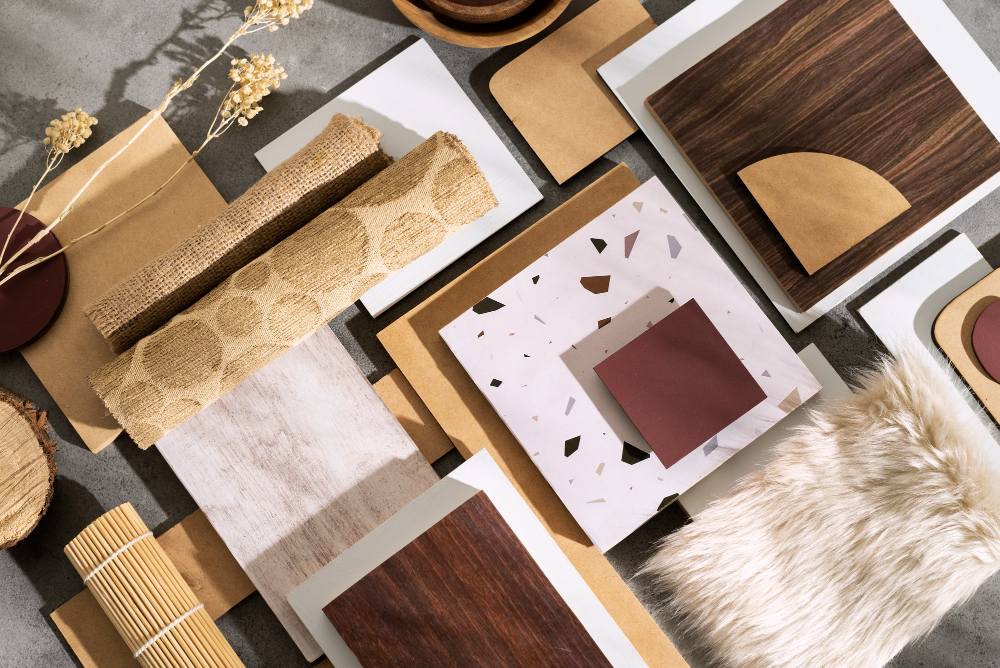
- Surface consistency
- Grain pattern
- Edge finishing
- Structural density
- Weight (lightweight boards = lower quality unless engineered)
This helps avoid surprises once carpentry work begins.
Incorporate Sustainability Into Your Finishes Too
Even if you choose FSC/PEFC wood, the finishing process must also remain eco-friendly. Ask your carpenter about:
- Low-VOC paints
- Water-based lacquers
- Non-toxic adhesives
- UV-cured coatings
This complements Dubai’s indoor-air standards and ensures your environmentally friendly carpentry stays that way.
Natural Internal Link Opportunity
Smart carpentry techniques discussed in Transforming Small Dubai Apartments with Smart Carpentry Solutions fit well here, especially where sustainable woods are used to maximise space efficiency and long-term structural stability.
📌 External Resource
🔗 When sourcing imported timber, the UAE Ministry of Climate Change & Environment (MOCCAE) provides guidance on compliance and legally approved sustainable materials.
Making the Shift to Sustainable Wood: A Smart, Long-Term Decision for Dubai Homes
Switching to sustainable wood for carpentry in Dubai is more than an environmental preference — it’s a long-term investment in durability, healthier indoor spaces, and reduced maintenance. With Dubai’s demanding climate, choosing materials that are built to withstand humidity, AC-driven temperature shifts, and termite activity is essential for homeowners who want their renovations to last.
Eco-friendly woods such as Accoya, bamboo, reclaimed teak, and certified engineered boards consistently prove their value by delivering superior stability, longer lifespans, and safer indoor performance. When paired with low-VOC finishes and responsible installation practices, they offer a level of reliability that conventional materials simply can’t match.
For homeowners planning upgrades — whether wardrobes, kitchen cabinets, interior doors, or custom-built furniture — the best time to switch to sustainable materials is now. As Dubai increasingly emphasizes environmentally responsible development, properties using certified, eco-friendly carpentry automatically stand out with stronger resale appeal and fewer long-term issues.
If you’re ready to integrate sustainable wood into your next renovation, partnering with a qualified Dubai carpenter who understands certification standards, moisture management, and climate-adapted installation will ensure your investment pays off for years.
🌱 Sustainability isn’t a trend in Dubai — it’s a smarter way to build a home that lasts.
– Next Read:
🔗 Planning a full home or built-in furniture upgrade? Transforming Small Dubai Apartments with Smart Carpentry Solutions shows how sustainable woods combine with clever space-saving designs and long-term durability.